
7 Practical Ways to Bridge the Parent-Teen Gap

Parent-Teen gap
Parent-Teen gap

आज के time में बहुत सारे parents यही feel करते हैं कि “मेरा बच्चा मुझसे दूर होता जा रहा है”। Teenagers भी अंदर से यही सोचते हैं कि “मेरे parents मुझे समझते ही नहीं”। इसी misunderstanding से parent-teen gap धीरे-धीरे बढ़ता चला जाता है।
एक Counseling psychologist के तौर पर मैंने देखा है कि यह gap किसी एक दिन में नहीं बनता, बल्कि छोटे-छोटे moments में बनता है – जब बात सुनी नहीं जाती, feelings को ignore किया जाता है, या हर conversation lecture बन जाती है।
अच्छी बात यह है कि Parent-teen gap को bridge किया जा सकता है। उसके लिए perfection नहीं, patience और understanding चाहिए।

Why Is There a Growing Parent-Teen Gap Today?

आज के teenagers एक अलग world में grow कर रहे हैं – social media, peer pressure, academic competition और identity confusion के बीच। Parents अक्सर अपने अनुभव से guide करना चाहते हैं, लेकिन teens इसे control या pressure समझ लेते हैं।
यहीं से parent-teen gap शुरू होता है। Parents care दिखाना चाहते हैं और teens freedom चाहते हैं। दोनों के intentions अच्छे होते हैं, लेकिन communication गलत हो जाती है।

1. Listen More, Lecture Less

Parent-Teen gap

Most parents unknowingly conversation को lecture बना देते हैं। Teen कुछ share करता है और parent तुरंत advice mode में चले जाते है।
जब हर conversation advice या lecture बन जाती है, teens बोलना बंद कर देते हैं। उन्हें लगता है कि उनकी बात सुनी नहीं जाएगी।
Teens को सबसे पहले solution नहीं, listening ear चाहिए। जब आप बिना interrupt किए सुनते हैं, तब parent-teen gap automatically कम होने लगता है।

Counseling tip:

जब parent बिना interrupt किए सुनता है, तब teen feel करता है कि “मेरी feelings matter करती हैं”। Active listening parent-teen gap को कम करने की पहली सीढ़ी है।
पहले सुनिए, बाद में समझाइए। Sometimes silence is more powerful than advice.

2. Understand That Teen Behavior Is Not Disrespect

Parent-Teen gap

Teenage years emotional ups and downs से भरे होते हैं। Mood swings, irritation और withdrawal अक्सर parents को disrespect लगते हैं। लेकिन reality यह है कि teen खुद confuse होता है। अगर parent हर behavior को attitude समझेगा, तो parent-teen gap और बढ़ेगा। Teen behavior को attitude नहीं, emotional struggle की तरह देखें।

3. Communicate Without Fear or Judgment

Parent-Teen gap

अगर teen को डर लगे कि “अगर मैंने सच बताया तो डांट पड़ेगी”, तो वो चुप रहना choose करता है। Judgment-free communication parent-teen gap को bridge करने का सबसे strong tool है।
जब parents react करने की जगह respond करते हैं, तब teens धीरे-धीरे open होते हैं।
Simple rule:
👉 Talk less to correct, talk more to connect.

4. Spend Quality Time Without Forcing Conversations

Parent-Teen gap

हर bonding deep talk से नहीं होती। कभी-कभी साथ बैठकर खाना, walk पर जाना, या favorite show देखना भी connection बना देता है।
Forced conversation teens को uncomfortable कर देती है और parent-teen gap बढ़ सकता है Unplanned moments में teen naturally open होता है।

 5. Set Boundaries With Love, Not Control

Parent-Teen gap

Boundaries जरूरी हैं, लेकिन control नहीं। जब rules fear से बनते हैं, तो rebellion आता है।
Healthy boundaries teens को safety और clarity देती हैं। जब teen को reason समझ आता है, तो वो rules accept करता है और parent-teen gap कम होता है।

Ask yourself:
👉 “Am I guiding my child or controlling them?”

6. Accept That Your Teen Is Growing Into a Different Person

Parent-Teen gap

कई parents unknowingly अपने dreams, expectations और fears teen पर project कर देते हैं। Teen को लगता है कि उसे accept नहीं किया जा रहा। Acceptance parent-teen gap को bridge करने की key है। आपका teen आपका reflection नहीं, एक अलग individual है। जब parent accept करता है, तब teen trust करता है।

7. Be the Emotional Role Model You Want Your Teen to Become

Parent-Teen gap

Teens advice से नहीं, behavior से सीखते हैं।
अगर parent calm नहीं है, तो teen calm कैसे बनेगा?
जब parents अपने emotions handle करना सीखते हैं, तब parent-teen gap naturally shrink होता है।

Remember:
👉 Your actions teach more than your words.

Common Mistakes Parents Make That Widen the Parent-Teen Gap

👉 Comparing teen with others
👉 Public shaming or constant criticism
👉 Ignoring teen emotions
👉 Expecting instant obedience
ये mistakes धीरे-धीरे parent-teen gap को deepen कर देती हैं, बिना parents को realize हुए।

How Counseling Helps Bridge the Parent-Teen Gap

Parent-Teen gap

Counselling एक safe space create करती है, जहाँ parent और teen दोनों बिना डर अपनी feelings express कर सकते हैं।
As a counsellor, मैंने देखा है कि थोड़ी guidance और सही communication tools से सालों पुराना parent-teen gap भी heal हो सकता है।
Counseling blame नहीं करती, understanding create करती है।

Bridging the Parent-Teen Gap Is a Journey, Not a One-Day Fix

Parent-teen gap कोई failure नहीं है। यह एक signal है कि relationship को नए तरीके से समझने की जरूरत है।
Teenage phase temporary है, लेकिन relationship lifelong है। अगर आज parents patience और empathy choose करते हैं, तो future में trust और respect return में मिलता है।
Perfect parent बनने की जरूरत नहीं है, emotionally available parent बनने की जरूरत है, वहीं से healing शुरू होती है।

Balancing Bonds: Inspiring Parenting and Growing Up in Nuclear Families

Nuclear Family Parenting

Joint families से Nuclear Family Parenting तक का सफर हमारे रिश्तों को बदल चुका है। अब Nuclear Family Parenting का मतलब सिर्फ बच्चों की देखभाल नहीं, बल्कि Emotional Connection बनाए रखना भी है। इस ब्लॉग में हम बात करेंगे कि Nuclear Family Parenting में कैसे छोटे-छोटे steps लेकर हम अपने रिश्तों को और गहरा बना सकते हैं।
1. Modern Family, Modern Challenges

Nuclear Family Parenting

आज के समय में परिवार छोटे हो गए हैं – Joint Family का Support System अब अक्सर नहीं होता। अब ज़्यादातर घरों में Nuclear Family Parenting का दौर है, जहाँ माता-पिता को हर ज़िम्मेदारी खुद निभानी पड़ती है — Job, Household work, बच्चों की पढ़ाई, और उनकी Emotional जरूरतें भी।
Modern lifestyle ने Relationships का Pattern ही बदल दिया है। Busy Daily Schedule, Digital Distractions, और Work Stress ने Family Bonding को प्रभावित किया है। अब घर में लोग साथ तो हैं, लेकिन बातचीत कम और Mobile Scroll ज़्यादा है।
Parents feel guilty कि बच्चों को Quality time नहीं दे पा रहे, और बच्चे महसूस करते हैं कि Parents हमेशा busy रहते हैं।

2. The Emotional Distance in Families

Nuclear Family Parenting

आज के Nuclear Family Parenting Setup में Parents और Kids एक ही घर में रहते हैं, लेकिन कई बार उनके बीच की दूरी बढ़ती जा रही है। Physical Togetherness तो है, पर Emotional Connection कहीं खो सा गया है।
Dinner table पर conversation की जगह TV noise या Mobile Screens ले चुकी हैं। Parents अपने कई Roles को एक साथ संभालते हैं — काम, घर, बच्चों की पढ़ाई, और Responsibilities — और उसी बीच बच्चों की छोटी-छोटी बातें सुनना अक्सर पीछे रह जाता है। Kids भी अपनी Screens और Online world में खोए रहते हैं। धीरे-धीरे घर का माहौल ऐसा बन जाता है जहाँ सब पास होते हुए भी Emotionally apart महसूस करते हैं।
इस Disconnect का असर सिर्फ रिश्तों पर नहीं, बल्कि बच्चों की Mental Health और Self-Esteem पर भी पड़ता है।
जब बच्चे महसूस करते हैं कि उनकी बातें ध्यान से नहीं सुनी जातीं, तो वे धीरे-धीरे अपने Emotions छिपाना शुरू कर देते हैं। इससे Trust और Openness दोनों कम हो जाते हैं।

As a Counselor,, हम अक्सर देखते है कि Nuclear family parenting छोटे Efforts भी बड़ा बदलाव ला सकते हैं — जैसे Dinner के वक्त Mobile दूर रखना, या रोज़ सिर्फ 10 मिनट बिना किसी Distraction के बच्चे से बात करना। ये छोटे कदम बच्चे को महसूस कराते हैं कि “I matter.” Because In the world of constant connection, what children crave the most is real attention.

3. What Kids Really Need – Love, Time या बस सुनने वाला कोई?

Nuclear Family Parenting

हर बच्चा अपने तरीके से प्यार, ध्यान और अपनापन चाहता है। लेकिन आज के nuclear family parenting culture में, parents को लगता है कि बच्चों के लिए अच्छा future देना ही सबसे बड़ा प्यार है — अच्छी schooling, facilities, और comfort।
पर बच्चों को इससे भी ज़्यादा चाहिए — Parents का time, Attention और Emotional Presence.
“बच्चे Perfection नहीं चाहते, उन्हें चाहिए Presence.”
कई बार बच्चे अपनी छोटी-छोटी बातों को Share करना चाहते हैं, पर जब Parents जल्दी में होते हैं या Distracted होते हैं, तो वे चुप रहना सीख लेते हैं। धीरे-धीरे ये Emotional Silence बढ़ने लगता है — और बच्चे अंदर से Insecure महसूस करने लगते हैं।
Children don’t always need answers; they just want to be heard. जब कोई उन्हें बिना टोके, बिना जज किए सुनता है, तो वे Open Up करते हैं, Confident बनते हैं, और Trust Develop होता है।

As a Counselor, हम अक्सर देखते है कि Nuclear family parenting में बच्चों से जुड़ने के लिए आपको बड़े Gestures की ज़रूरत नहीं, बस छोटे, Consistent moments काफी हैं। जैसे –
👉 रोज़ थोड़ा समय सिर्फ बच्चे को सुनने और समझने के लिए निकालना ।
👉 उनके दिन के अनुभवों में खुद को शामिल करना ।
👉 हर छोटी success पर उन्हें encourage करना ।
👉 “Great job!” या “बहुत अच्छा किया!” जैसे Positive शब्दों का use करना ।

Nuclear Family Parenting

ऐसे ही छोटे-छोटे moments बच्चों के confidence, emotional growth और happiness को nurture करते हैं। यही असली parenting का essence है — connection over perfection.

4. Parenting with Heart – How to Build Emotional Security at Home

Nuclear Family Parenting

Nuclear family parenting में Parenting का मतलब सिर्फ बच्चों को Guide करना नहीं, बल्कि उन्हें एक ऐसा माहौल देना है जहाँ वे Emotionally Safe और Understood महसूस करें।
आज के Nuclear Family Parenting Setup में, यही सबसे बड़ी जरूरत बन गई है — क्योंकि जब बच्चे Emotionally secure होते हैं, तो वे Confident, Expressive और Empathetic बनते हैं।
Emotional Security Build करने के लिए Parents को बहुत बड़े Steps नहीं, बल्कि Small, Consistent efforts करने की ज़रूरत है —

1. One Family Meal Without Screens:

रोज़ाना एक Meal साथ में खाएं — बिना Phone या TV के Distraction के। ये छोटा Moment भी Belongingness बढ़ाता है।

2. Ten-Minute Talk Time:

हर दिन 10 मिनट सिर्फ सुनने के लिए निकालिए — बिना Advice दिए, बिना Interrupt किए। जब बच्चा Freely बोलता है, तो Trust बढ़ता है।

3. Praise Efforts, Not Just Results:

Result से ज़्यादा कोशिश की तारीफ़ करें। इससे बच्चा जानता है कि उसे उसकी Identity से नहीं, उसकी मेहनत से Value दी जा रही है।

4. Express Your Own Feelings Too:

Nuclear family parenting में Parents अपने Emotions Share करते हैं, तो बच्चे Emotional Expression को Normal समझते हैं। ये Open Communication का Foundation बनता है।
“जब घर में सुनने और समझने का माहौल होता है, तो बच्चा खुद-ब-खुद खुश रहना सीख जाता है।”
As a Counselor, हम अक्सर यही observe करते है कि — जब Parents थोड़ा Mindful होकर बच्चों के साथ Connect करते हैं, तो घर का Environment Calm और loving बन जाता है। Emotional warmth ही वो thread है जो family को जोड़े रखता है।

5. Let’s Reconnect – Creating Warmth in Small Families

हर घर चाहे बड़ा हो या छोटा, बच्चों और Parents के लिए सबसे ज़रूरी है — Love, Care और Understanding Environment
 आज के Nuclear Family Parenting में Connection बनाए रखना Challenge बन गया है, लेकिन यह Impossible नहीं है। बस ज़रूरत है थोड़े Awareness और छोटे Efforts की।


“Family doesn’t need perfection, it just needs participation.”
Nuclear Family Parenting

1. Family Rituals

हर हफ़्ते कोई छोटा Ritual बनाइए — जैसे Game Night, Movie Night, या Sunday Cooking साथ में। ये Simple Moments Memories और Togetherness दोनों बढ़ाते हैं।

2. Express Appreciation

छोटी चीज़ों के लिए “Thank you” या “I’m proud of you” कहें। ये positivity और trust build करता है।

3. Digital Detox Moments

Dinner या bedtime में gadgets दूर रखें। जब Screens कम और Conversations ज़्यादा हों, तो प्यार अपने आप लौट आता है।
“Emotional bonding doesn’t need extra time, it just needs extra attention.”
हर दिन कुछ Mindful मिनट बच्चों के साथ बिताना उन्हें प्यार, Confidence और Emotional Security देता है।
क्योंकि Parenting का मतलब परफेक्ट होना नहीं, बल्कि हर पल अपने बच्चे के साथ होना है।

Remember, “Strong families aren’t built in big houses, they’re built in small moments of love.”

7 Warning Signs of Anxiety in Kids Every Parent Should Know

Anxiety in kids
Anxiety in kids

आज के समय में anxiety in kids यानी बच्चों में चिंता एक आम लेकिन नजरअंदाज की जाने वाली mental health problem बन गई है। परेशानी यह है कि ज़्यादातर parents और teachers इसे शुरुआत में पहचान नहीं पाते। बच्चों में anxiety के लक्षण बड़ों से काफी अलग होते हैं, और कई बार तो बच्चा खुद भी यह समझा नहीं पाता कि वह अंदर से कैसा महसूस कर रहा है।
अगर हम इन early signs को समय पर पहचान लें, तो न सिर्फ हम बच्चे को mental health issues से बचा सकते हैं, बल्कि उसे emotionally ज्यादा strong और confident बना सकते हैं।

इस blog में हम आपको बताएंगे 7 ऐसे signs जिन्हें पहचानना हर parent के लिए जरूरी है।

1. बार-बार पेट दर्द या सिर दर्द की शिकायत (Frequent Physical Complaints)

Anxiety in kids

जब बच्चा बार-बार शिकायत करता है – “मम्मी, मेरा पेट दुख रहा है” या “मेरे सिर में दर्द है,” और medically कोई clear reason नहीं मिलता, तो अक्सर parents इसे हल्के में ले लेते हैं। लेकिन कई बार ये anxiety in kids का early symptom हो सकता है।
Anxiety बच्चों की body के ज़रिए बाहर निकलती है – जैसे बार-बार headaches, stomach pain, nausea या vomiting की शिकायतें। यह एक stress-related physical response होता है।
बच्चों को खुद भी समझ नहीं आता कि उनका दर्द emotional है या mental tension की वजह से है, इसलिए वो सिर्फ physical pain की complaint करते हैं — जो दरअसल anxiety in kids का संकेत होता है।

What to do:

बच्चे से calmly बात करें।
उसे comfort दीजिए और pressure मत डालिए।
Reassure करें कि वो safe है और कोई problem नहीं है।

2. बार-बार डर लगना या negative सोचना (Constant Fear or Negative Thoughts)

Anxiety in kids

अगर बच्चा बार-बार कह रहा है – “मुझे डर लग रहा है,” या “अगर exam खराब हो गया तो?” तो ये sign है कि बच्चा anxious है।
छोटे-छोटे situations में डरना – जैसे new place, exam, competition या strangers – ये दिखाता है कि बच्चा अंदर से safe feel नहीं कर रहा है।
Anxiety वाले बच्चे usually worst-case सोचते हैं और future की unnecessary चिंता करते हैं। Example – “मुझसे तो हमेशा गलती हो जाएगी…” और ये भी anxiety in kids का early symptom हो सकता है।

What to do:

उनके डर को हल्का मत कहिए, सुनिए और validate करिए।
Positive examples और stories से motivate करिए।
Gradually exposure दीजिए ताकि उनका confidence बढ़े।

3. Social life से दूर भागना या अकेले रहना (Social Withdrawal)

Anxiety in kids

अगर कोई बच्चा जो पहले दोस्तों के साथ खेलता था, अब अचानक अकेले बैठना पसंद करने लगे या ग्रुप में जाने से बचे, तो यह एक चिंता का संकेत हो सकता है। ऐसे बच्चे अक्सर सोचते हैं कि लोग उन्हें जज करेंगे या उनकी गलतियों का मज़ाक बनाएंगे, इसलिए वे crowd से दूरी बनाने लगते हैं। ये व्यवहार धीरे-धीरे social anxiety/Anxiety in kids की शुरुआत हो सकता है, जहां बच्चा हर interaction में खुद को असहज महसूस करता है। कई बार ये स्थिति तब और बिगड़ जाती है जब बच्चा पर्याप्त आराम या better sleepनहीं ले पाता, जिससे उसकी emotional control और self-confidence दोनों प्रभावित होते हैं।

What to do:

Child को force मत करिए।
Small groups या familiar environments में introduce करिए।
Time के साथ slowly उनकी confidence build करिए।

4. बार-बार चिड़चिड़ाना या mood swings (Irritability & Mood Changes)

Anxiety in kids

Anxiety in kids सिर्फ sadness या डर के रूप में नहीं दिखती, बल्कि कई बार यह गुस्से, चिड़चिड़ाहट या अचानक बदलते मूड (sudden mood swings) के ज़रिए भी सामने आती है। ऐसे बच्चे छोटी-छोटी बातों पर irritate हो जाते हैं, क्योंकि वे पहले से ही mentally disturbed और emotionally overwhelmed होते हैं।
चाहे स्कूल में teacher की कोई बात हो या घर पर छोटे sibling का disturb करना – ये सब situations उन्हें बहुत भारी (overwhelming) लगती हैं, और वे नार्मल तरीके से react नहीं कर पाते।

What to do:

गुस्से के पीछे की problem को समझिए।
Calm behavior से बात करिए।
Meditation, deep breathing जैसी techniques में slowly interest जगाइए।

5. नींद से जुड़ी दिक्कतें (Sleep Disturbance)

Anxiety in kids

अगर बच्चा कहता है कि उसे नींद नहीं आती, डरावने सपने आते हैं या वह रात में बार-बार जागता है, तो यह anxiety in kids का संकेत हो सकता है। ऐसा बच्चा दिन की चिंताओं को रात में भी अपने साथ लेकर चलता है, जिससे उसका मन शांत नहीं हो पाता।
अक्सर उनके मन में डर भरी सोचें घूमती रहती हैं – जैसे “अगर मैं अकेले सोया तो क्या होगा?” या “अंधेरे में कुछ हो गया तो?”। ये repetitive thoughts उनकी नींद disturb कर देती हैं, जिससे बच्चा सुबह तक ठीक से rest नहीं कर पाता। समय रहते इन संकेतों को समझना बहुत ज़रूरी है।

What to do:

सोने से पहले peaceful routine बनाइए (story, light music)।
Screen time कम करिए।
Night routine में positive thoughts discuss करिए।

6. Overthinking या बार-बार confirmation लेना (Overthinking & Reassurance Seeking)

Anxiety in kids

Anxiety in kids का एक आम संकेत यह है कि बच्चे बार-बार reassurance मांगते हैं। ऐसे anxious बच्चे अक्सर पूछते हैं – “Are you sure मैं ठीक रहूंगा?” या “पापा, आप नाराज़ तो नहीं हो?” उन्हें हर बात में बार-बार confirmation चाहिए होता है, क्योंकि उनका mind हर चीज़ को overthink करता है। यह बताता है कि बच्चा अंदर से बहुत ज़्यादा unsure और insecure महसूस कर रहा है।

What to do:

Clear answers दीजिए लेकिन बार-बार reassurance से बचिए।
Encourage करिए कि वो खुद पर trust करे।
“What if…” thinking को positive में बदलिए।

7. स्कूल जाने से डरना या avoid करना (School Avoidance)

Anxiety in kids

बहुत से anxious बच्चे स्कूल जाने से डरने लगते हैं — जैसे पेट दर्द का बहाना बनाना, रोना या साफ़ मना कर देना। ये anxiety in kids के common signs हो सकते हैं। इसके पीछे कारण हो सकते हैं: exam का डर, bullying, teacher का strict व्यवहार या किसी दोस्त से जुड़ी कोई परेशानी। अगर बच्चा बार-बार स्कूल जाने से मना करता है, तो यह long-term anxiety को बढ़ा सकता है।

What to do:

धीरे-धीरे child को prepare करिए।
Teachers से communicate करिए।
Routine maintain करिए ताकि बच्चा धीरे-धीरे fear को manage करे।

Parents के लिए जरूरी Tips:

Anxiety in kids

✔️ बच्चे की feelings को lightly मत लीजिए।
✔️ हर time उन्हें confident और secure feel कराइए।
✔️ Regularly उनकी बातें सुनिए और समझिए।
✔️ Physical health के साथ emotional health का भी ध्यान रखिए।
✔️ अगर signs long-term दिखें, तो school counselor या child psychologist से help लीजिए।

Anxiety in Kids एक ऐसी problem है जिसे नजरअंदाज करना future में emotional health के लिए risk बन सकता है।
Parents का role बहुत important होता है — बच्चों को safe, heard और understood feel कराना ही उनकी healing का पहला step है।
Early support से बच्चा न सिर्फ anxiety से बाहर आ सकता है, बल्कि future challenges के लिए mentally strong बन सकता है।

अगर आपको ये ब्लॉग मददगार लगा हो, तो इसे शेयर करें और कमेंट में जरूर बताएं कि आप अपने बच्चे की Mental health और Anxiety in kids को समझने और संभालने के लिए क्या कदम उठाते हैं।

8 Powerful Steps to Conquer Digital Addiction: The Ultimate Student Guide

There is a well-known saying about addiction: ‘Addiction doesn’t just harm the person struggling with it; it also hurts their family, children, hopes, and even their future.’ Let’s start with a case study to better understand how digital addiction can negatively affect lives.

CASE STUDY : Digital Addiction

“Mr. Manoj (name changed), a 17-year-old male adolescent, was admitted to a psychiatric ward with complaints of mood swings, depressive episodes, irritability, and a lack of connection with his surroundings for several days. He had no prior history of psychiatric illnesses. Upon evaluation, it was revealed that his condition was linked to excessive use of mobile gaming.

Two years ago, Mr. Manoj received a smartphone with internet access and began playing simple video games. Over time, he transitioned to online multiplayer games and gradually increased the time spent on them. He became engrossed in gaming, often playing with a group of friends, and eventually lost control over his usage. This addiction led him to neglect his studies and social activities. He frequently skipped classes, withdrew from family interactions, and spent most of his time isolated in his room, engrossed in gaming.

The virtual world became an escape from real-life challenges. When his parents attempted to limit his phone usage, he exhibited restlessness, irritability, and, at times, verbal or physical aggression. Forced to seek medical help, Mr. Manoj was diagnosed with depressive disorder linked to internet overuse. His treatment included mild antipsychotics, antidepressants, anti-anxiety medications, and supportive care for his nutrition and hydration. During his hospital stay, he underwent individual counseling and was encouraged to participate in physical activities. After two weeks of treatment, Mr. Manoj’s mood showed improvement, and he began to acknowledge the severity of his condition. He was discharged with instructions for outpatient follow-up and continued counseling.”

Insights of the Case

This case highlights how digital addiction can dominate an individual’s life, turning them into a mere tool for digital platforms. It emphasizes the need for timely intervention and a balanced approach to technology use.

The American Psychological Association defines addiction as a dependence on a substance or activity, whether psychological or physical, even when it causes harm. Addiction is not limited to substances like drugs or alcohol; it can also involve behaviors such as gambling, excessive exercise, or compulsive use of digital devices.

Teenagers, who grow up in an environment dominated by smartphones, social media, and video games, are particularly at risk of forming unhealthy digital habits. While some are aware of this issue and wish to change, many find it challenging to reduce their screen time without guidance and support.
As parents, teachers, and caregivers, it is our responsibility to help teenagers navigate these challenges. By understanding the causes of digital addiction and its effects, we can equip ourselves with strategies to assist them in breaking free from these habits. In this blog, we will examine the root causes of digital addiction, its consequences for students, and practical steps to help them regain control over their digital lives.

Understanding Digital Addiction:

Digital addiction refers to the excessive and compulsive use of devices such as smartphones, computers, and gaming consoles, often involving activities like social media, video gaming, and streaming online content. It is characterized by a dependency that persists even when individuals, especially teenagers, are aware of its harmful effects and struggle to reduce their usage.

Causes of Digital Addiction Among Teens:

The causes of digital addiction can be multifaceted, including:

Escapism

Many teens turn to screens as an escape from stress, family issues, or academic pressure.

Peer Pressure:

Social media keeps teens constantly connected with friends, making it hard for them to disconnect.

Instant Gratification:

Likes, comments, and achievements in games provide immediate satisfaction, reinforcing digital habits.

Boredom:

Lack of hobbies or engaging offline activities makes screens an easy distraction.

Lack of Awareness:

Many teens are unaware of the long-term harm caused by excessive screen time.

Role of dopamine:

Addiction develops when the pleasure circuits in the brain get overwhelmed. And this is done because of dopamine (a chemical messenger in the brain that plays a role in many bodily functions, including: Reward and pleasure, movements etc.)

Impact of Digital Addiction on Students:

Before helping teens break the cycle, it is important to understand how digital addiction affects their lives:

Excessive screen time leaves less room for study, concentration, and productive habits.

Mental Health Issues:

Teens addicted to devices are more prone to anxiety, stress, loneliness, and sleep disorders.

Physical Health Problems:

Sitting for long hours leads to poor posture, eye strain, and unhealthy lifestyles.

Impaired Social Skills:

Constant virtual interaction can reduce face-to-face communication skills.

Behavioral Changes:

Mood swings, irritability, and frustration often emerge when devices are taken away. If left unaddressed, these effects can severely impact a teen’s future development and well-being.

Practical Ways to Help Teens Break Digital Addictions:

Here are some actionable steps for parents and educators, can take to help teens regain control over their digital lives:

 1. Start with Open Conversations:

Instead of scolding or blaming, sit down and have an honest, non-judgmental discussion about digital habits. Understand their struggles and make them feel heard. Share stories or examples of how balance can improve their life.

2. Set Realistic Goals:

Encourage teens to reduce screen time gradually rather than expecting immediate changes. For instance, set a daily screen-time limit or introduce short device-free periods, such as during meals or before bedtime.

3. Promote Alternative Activities:

 Help teens replace screen time by exploring new hobbies that engage their minds and bodies. Encourage sports like swimming or cycling for physical and mental health, creative outlets such as painting or music, and activities like reading, meditation, or journaling to promote relaxation and personal growth.

4. Set Boundaries and Create Tech-Free Zones:

Establish a no-device rule during family dinners and in bedrooms at night. Set specific hours for gadget use and ensure the rules are followed consistently.

5. Model Healthy Digital Habits:

Teens are more likely to follow the example set by adults. Parents, teachers, and mentors should reduce their own screen time when interacting with children and avoid distractions, such as checking notifications, during family or quality time.

6. Educate About the Consequences:

Teens often lack awareness about the impact of excessive screen use. Share real-life stories or research to illustrate how digital addiction can harm physical and mental health. Highlight how reducing screen time can lead to better sleep, improved grades, and stronger friendships.

7. Encourage Offline Social Connections:

Create opportunities for teens to connect with friends and family in person. Plan activities like outings, game nights, or community events that encourage engagement without screens.

8. Use Technology to Fight Technology:

If teens find it difficult to manage their screen time, consider using tools like screen-time monitoring apps to promote accountability. Apps such as Rescue Time, Quality Time, AppDetox, Google Family Link, or Forest can help track usage and encourage healthier digital habits.

When to Seek Professional Help:

If teens display severe signs of addiction, such as withdrawal, focus issues, or mental health problems, seek professional help. A counselor or psychologist can offer strategies to reduce screen time, address emotional issues contributing to the addiction, and provide support for both teens and their families.

Final Thoughts:

Breaking digital habits takes time, patience, and support. Teens must learn that technology is a tool, not a trap. By setting healthy boundaries, encouraging offline activities, and promoting balance, we can help them regain control. As educators, parents, or mentors, the goal is not to eliminate technology, but to teach mindful, purposeful use. Together, we can help teens build healthier habits and brighter futures.

Small steps can make a big impact in overcoming digital addiction! Encourage teens to start with just 30 minutes of screen-free time each day. This simple habit can be the first step toward breaking free from screen addiction and rediscovering the joys of the real world—spending quality time with family, exploring hobbies, or enjoying nature. Celebrate their small victories and emphasize the importance of balance. With consistency and support, these small changes can pave the way to a healthier, more mindful relationship with technology.

Importance of Career Counselling: 5 Key Insights for Student Success

Career_Counselling

क्या आपके बच्चे का Future सही दिशा में है? Career Counselling सिर्फ एक career selection के बारे में ही नहीं  बल्कि यह उनके interests, strengths और goal को पहचानने में मदद करता है जिससे कि वे अपनी life में सही decision ले सकें और सफलता की ओर आगे बढ़ सकें। यही सही Imporance of career counselling होता है।
Importance of Career Counselling :

वर्तमान समय में  जहां career options की भरमार है, student और उनके parents के लिए सही career चुनना किसी चुनौती से कम नहीं है। ऐसे में Importance of Career Counselling एक मार्गदर्शन है जो students को सिर्फ उनके career की दिशा तय करने में ही नहीं, बल्कि students development और mental well-being में भी मदद करता है। आइए, Importance of Career Counselling की कुछ प्रमुख जरूरतों पर नज़र डालते हैं:

1. Identify Your Suitable Career Path:

Career Counselling छात्रों को उनकी रुचियों (interests), कौशल (skills), और व्यक्तित्व (personality) के आधार पर सही career options की पहचान करने में मदद करता है। यह उन्हें यह समझने का मौका देता है कि उनके लिए कौन-सी field सबसे बेहतर होगी।

2. Improve Your Decision-Making Skills:

आज के भागती हुई दुनिया में students की Decision-making skills जितनी अच्छी होगी उसके सफल होने  की संभावना उतनी ही अधिक होती है।  Career Counselling न सिर्फ उन्हें career-related decisions लेने में मदद करता है, बल्कि यह उनकी overall decision-making skills को भी मजबूत करता है।

3. Reduce Your Career Confusion & Stress:

अक्सर students multiple career options के बीच उलझ जाते हैं। Career Counselling उन्हें इस career confusion से बाहर निकलने में मदद करता है, जिससे उनका stress और anxiety कम होता है और वे clarity के साथ आगे बढ़ पाते हैं।

4. Information about Emerging Career Options:

आजकल कई नए और उभरते हुए करियर क्षेत्र सामने आ रहे हैं, जैसे Data Science, AI, Content Creation, Digital Marketing, Cyber Security, UX/UI Design, Blockchain, Virtual Reality, आदि। Career counselors छात्रों को इन नए अवसरों के बारे में जानकारी देते हैं, ताकि वे केवल पारंपरिक करियर (जैसे डॉक्टर, इंजीनियर) तक सीमित न रहें और अपनी रुचियों के अनुसार करियर के विकल्प चुन सकें। यह पद्धति Importance of career counselling के औचित्य को प्रभावशाली बनती है।

5. Guidance for Long-Term Career Success

Career counselling न केवल तात्कालिक career decisions में मदद करती है, बल्कि यह छात्रों को long-term success और job satisfaction के लिए तैयार करती है। Career Counselling उन्हें short-term और long-term goals के बीच संतुलन बनाना सिखाती है, जिससे वे अपने career में निरंतर progress कर सकें।

6. A Guiding Framework for Parents and Teachers:

Parents और teachers अक्सर students पर अपनी expectations थोपने की गलती कर देते हैं। Career counselling एक ऐसा framework provide करता है, जिससे वे students को उनके abilities और interests के आधार पर सही guidance दे सकते हैं। इस approach से वे students को समझने और उनके potential के अनुसार decisions लेने में मदद कर सकते हैं, 

हम समझ सकते है कि importance of Career Counselling सिर्फ career selection तक सीमित नहीं है; यह students की overall personality development और confidence building में भी अहम भूमिका निभाता है। सही समय पर सही मार्गदर्शन, उनके भविष्य को नई ऊंचाइयों तक पहुंचा सकता है।

Positive Effects of Career Counselling on Students:

Importance of Career Counselling में Career counselling students पर कई प्रकार के Positive Effects डालता है। जिसमे से कुछ निम्न हैं –

Self-Awareness:

Career counselling किसी भी  students को अपनी strengths और weaknesses समझने में मदद करता है।

Goal Setting:

Career counselling किसी भी students को  अपने academic और career goals सही तरीके से सेट करने में मदद करता हैं।

Decision-Making Skills:

Career counselling students में  सही career decisions लेने की ability develop करता है।

Reduced Stress:

Career counselling के माध्यम से students को सही guidance मिलता  है जिससे  career confusion और anxiety कम होती है।

Role of Educators and Parents in Career Counselling:

Importance of career counselling की चर्चा बिना Parents एवं Teachers की भूमिका के पूरी नहीं होती। Students को  Career counselling के लिए प्रेरित करने में parents और teachers/educators की अहम भूमिका होती है, जो इस प्रकार है –

Role of  Parents:

Parents की भूमिका  Career counselling के लिए supportive environment को  create करना और साथ ही बच्चों के प्रति खुद की  Over-expectation और comparison से बचने की जरूरत है।

Role of Teachers/Educators:

Teachers/Educators की भूमिका  Career counselling sessions को promote करना और  Students के लिए सही resources और mentorship provide करना है। 

5 Key Insights for Effective Career Counselling:

Effective Career Counselling में कुछ महत्वपूर्ण बातें जिनका इसमें शामिल होना आवश्यक होता है, ये कुछ important steps होना  ही चाहिए जो Importance of career counselling सम्बन्धी समझ को विकसित करता है – 

Early Start:

कुछ प्रमुख कैरियर विशेषज्ञों का मानना है कि Career counselling जितनी जल्दी शुरू की जाये छात्रों के कैरियर जीवन में आने  वाली कठिनाइयों का सामना कम करना पड़ेगा।  विशेषज्ञों का मत है कि Middle school  से बच्चों की career counselling शुरू कर देनी चाहिए।   

Individualized Approach:

Career Counselling में व्यक्तिगतवादी approach लेकर चलना चाहिए क्योंकि प्रत्येक student की need अलग-अलग होती है। 

Professional Guidance:

Trained career counsellors से ही बच्चों की Career Counselling करानी चाहिए क्योंकि Trained career counsellor सदैव professional approach लेकर चलते है। 

Exploration of Careers:

Traditional career options के बजाय emerging career options पर focus करना चाहिए क्योंकि emerging career options मे competition कम होता है। 

Continuous Support:

Career counselling एक ongoing process है। इसे लगातार चलने देने से career मे growth होती रहती है।   

Common Myths & Their Reality Related to Career Counselling:

Myth 1: Career Counselling सिर्फ Confused Students के लिए होता है।

Reality: Career counselling सिर्फ उन students के लिए नहीं है जो career options को लेकर confused हैं। यह हर student के लिए फायदेमंद है, चाहे उन्होंने अपने goals तय कर लिए हैं या नहीं। यह उन्हें structured planning और emerging career trends के बारे में जागरूक करता है।

Myth 2: Career Counselling अनावश्यक है।

Reality: कई parents और students मानते हैं कि career counselling की जरूरत नहीं है क्योंकि वे खुद career decisions ले सकते हैं। हालांकि, professional counsellors industry trends, skills analysis और personality assessments में experts होते हैं, जो informed और बेहतर decisions लेने में मदद करते हैं।

Myth 3: Importance of Career Counselling का मतलब सिर्फ Test लेना है।

Reality: Career counselling केवल aptitude या interest tests तक सीमित नहीं है। यह students की strengths, weaknesses, aspirations और personality को समझकर tailored guidance प्रदान करता है।

Myth 4: Career Counsellors सिर्फ Traditional Careers पर Focus करते हैं।

Reality: Career counsellors सदैव traditional careers के साथ-साथ modern और emerging careers जैसे Data Science, Artificial Intelligence, Creative Arts और Entrepreneurship के options भी explore करने में मदद करते हैं।

Myth 5: Career Counselling महंगा होता है।

Reality: आजकल career counselling affordable हो रहा है। कई schools, NGOs और online या National Career Services platforms इसे कम या no cost पर उपलब्ध कराते हैं। यह एक investment है जो students की long-term success सुनिश्चित करता है।

Importance of Career Counselling on the success and life of Students:

Importance of career counselling में जब Career counselling को समझने का प्रयास करते है तो देखते है कि career counselling केवल career चुनने का साधन नहीं है, बल्कि यह students को अपनी potential पहचानने, सही दिशा में मेहनत करने, और मानसिक तनाव को कम करने में मदद करता है। यह उन्हें self-awareness, goal-setting, और decision-making जैसे essential life skills सिखाता है, जो न केवल उनके career बल्कि उनकी personal growth के लिए भी महत्वपूर्ण हैं। सही career counselling से students अपनी abilities को सही तरीके से channelize कर पाते हैं और अपने भविष्य के लिए informed और confident decisions ले सकते हैं।

Call-to-Action for understanding of Importance of Career Counselling:

Parents और teachers को चाहिए कि वे students को सही मार्गदर्शन और support प्रदान करें। Importance of Career counselling को समझते हुए Parents अपने बच्चों की aspirations और interests को पहचाने और इन्हे professional counsellors से जुड़ने के लिए motivate करें। साथ ही Traditional Parenting से बाहर निकलकर Friendly Parenting की दिशा में स्वयं को मोड़े, जो समय की मांग है। इसी तरह Teachers और Educators को career counselling programs को अपने स्कूल और कॉलेज में integrate करना चाहिए ताकि सभी students इसका लाभ मिल सके। Students को भी career goal निर्धारित करते समय Certified Career Counsellor की मदद अवश्य लेनी चाहिए।

आज ही पहला कदम उठाएं ! Importance of career counselling की समझ विकसित करते हुए अपने बच्चे (Child) या विद्यार्थी (student) की सफलता सुनिश्चित करने के लिए career counselling की प्रक्रिया शुरू करें और उन्हें उनके सपनों को हकीकत में बदलने में मदद करें

Attachment Parenting क्यों जरूरी है ?: 4 Powerful Tips for Strong Emotional Bonding और Child Development.

Attachment-Parenting
Attachment_Parenting

Parenting Style से तात्पर्य उन सभी परम्पराओं, रणनीतियों, और बातचीत की शैलियों से है जो बच्चों के पालन-पोषण में अपनाई जाती हैं और उनके भावनात्मक, संज्ञानात्मक, और सामाजिक विकास पर प्रत्यक्ष या अप्रत्यक्ष रूप से असर डालती हैं। मनोवैज्ञानिकों द्वारा पहचानी गई कुछ प्रमुख Parenting Styles निम्नलिखित हैं:
1. Authoritative Parenting, 2. Authoritarian Parenting, 3. Permissive Parenting, और 4. Neglectful Parenting।

Attachment Parenting:

इन पारंपरिक Parenting Styles से हटकर, Attachment Parenting माता-पिता और बच्चों के बीच एक सुरक्षित भावनात्मक बंधन को बढ़ावा देने पर जोर देता है। इस पद्धति में बच्चों की आवश्यकताओं को पूरी संवेदनशीलता के साथ समझना और उनके अंदर भरोसे और सहानुभूति का निर्माण करना, भावनात्मक सुरक्षा को प्राथमिकता देना आदि शामिल है।

Attachment Parenting की अवधारणा को डॉ. विलियम सियर्स, जो  एक अमेरिकी बाल-रोग विशेषज्ञ थे, ने 1980 के दशक में अपनी पत्नी मार्था सियर्स के साथ मिलकर विकसित और लोकप्रिय बनाया। Attachment Parenting में आने वाले कुछ प्रमुख व्यवहार जिन्हे प्रयोग में लाया जाता निम्न है। 

1. Co-sleeping:

यहाँ Co-sleeping से तात्पर्य बच्चें का अपने माता-पिता के साथ बेड शेयरिंग करना, खासतौर पर जन्म के शुरूआती दिनों में। माता-पिता का यह व्यवहार बच्चें के अंदर भावनात्मक सुरक्षा को बढ़ावा देता है। जिसके परिणामस्वरूप बच्चा खुद को अपने अभिभावक से भावनात्मक रूप से जुड़ा एवं सुरक्षित महसूस करता है। 

2. Breast Feeding on Demand:

इस दृष्टिकोण के अनुसार बच्चें के Breastfeeding के लिए कोई  सख्त शेड्यूल का पालन करने के बजाय, जब भी बच्चा भूख के लक्षण दिखाता है, स्तनपान कराया जाय। यह बच्चे की पोषण और भावनात्मक दोनों ज़रूरतों को पूरा करता है, बच्चे और माँ के मध्य एक गहरा बंधन बनाता है और बच्चे के मानसिक और भावनात्मक विकास को पर्याप्त गति देता है। 

3. Babywearing:

यहाँ Babywearing से तात्पर्य बेबी को अपने शरीर के पास रखना। माता-पिता को दैनिक गतिविधियों के दौरान बच्चे की ज़रूरतों के प्रति सजग रहने की अनुमति देती है। जबतक बेबी का वजन पर्याप्त न हो जाय उन्हें स्लिंग या कैरियर का उपयोग करके माता-पिता के शरीर के करीब  ही रखना चाहिए। 

4. Gentle Discipline:

Gentle Discipline का तात्पर्य बच्चों को सज़ा देने के बजाय सहानुभूति, समझ और सकारात्मक संचार के माध्यम से सिखाने का प्रयास करना चाहिए। Gentle Discipline उद्देश्य बच्चो से भावनात्मक जुड़ाव रखते हुए उनके व्यवहार को प्यार और सम्मान के साथ ठीक करना अर्थात More Connect, Less Correct. इसका तात्पर्य है कि माता-पिता में बच्चों को बिना दण्ड (Punishment) के सिखाने की क्षमता विकसित करनी चाहिए। 

Attachment Parenting के फायदे :

Attachment Parenting के कुछ फायदे निम्नलिखित देखा गया है ;

I. Improve Self-Esteem:

Attachment parenting का एक प्रमुख लाभ यह है कि ये बच्चों का Self-Esteem और Self-कॉन्फिडेंस दोनों बढ़ाता है। जब माता-पिता अपने बच्चो की भावनात्मक आवश्यकता का तुरंत और संवेदनशील तरीके से प्रतिक्रिया करते है तो बच्चो में स्वयं के प्रति विश्वास का विकास होता है।  उन्हें लगता है कि उनकी feelings और जरूरतें महत्वपूर्ण है, जो उन्हें खुद पर विश्वास करना सिखाता है। 

II. Emotional Intelligence:

Attachment parenting के जरिये बच्चें अपने माता-पिता से आत्मानुभूति (Empathy) और दूसरों के प्रति संवेदनशील होने का सबक सीखते है। जब बच्चो को माता-पिता की तरफ से emotional support मिलता है तो वो दूसरों के emotions को समझने और उनकी मदद करने में बेहतर होते है। इस प्रक्रिया में उनका emotional intelligence विकसित होती है। जो उनके सामाजिक सम्बन्धो को बनाने में फायदेमंद होता है। 

III. Mental Health Benefits:

Attachment parenting के कई मनोवैज्ञानिक फायदे है। बच्चों के emotional आवश्यकताओं को समझने और उन्हें पूरी करने से उनका stress और anxiety कम होता है। जब बच्चो को सुरक्षा और प्यार का एहसास होता है, तो वो emotional तौर पर मजबूत और mental health के लिए स्थिर रहते है।   

IV. Better Communication:

Attachment parenting से बच्चे अपने emotions को खुल कर (freely) express करने का confidence पाते हैं। जब माता-पिता बच्चो के साथ open और  supportive communication रखते है, तो बच्चे अपने जज्बात को बिना किसी डर के व्यक्त करने में सक्षम होते है, जो उनके emotional और mental विकास के लिए जरुरी है।  

Attachment parenting के इन फायदों से बच्चें एक संतुलित और स्वस्थ व्यक्ति बनने में मदद पाते है, जो उनके पुरे जीवन के लिए उपयोगी होता है।

Practical tips for Attachment Parenting:

माता-पिता के लिए Attachment Parenting करने हेतु यहाँ कुछ Practical Tips दिए जा रहे है। जो Indian Parents के Parenting Style में मदद करेगा। 

a. Co-sleeping और Babywearing implementation:

Co-sleeping का मतलब है बच्चें को अपने साथ सुलाना, जिससे जो रात में सुरक्षित और connected महसूस करे। आप bedside crib या safe bed-sharing practices का उपयोग कर सकते है।

Babywearing से आप अपने बच्चें को अपने करीब रखकर अपने अपने रोजमर्रा के काम भी कर सकते है। Sling या baby carrier का उपयोग करके आप बच्चें की emotional needs पूरी करते हुए अपने routine को मैनेज कर सकते है।

b. Working Parents:

Working parents के लिए समय का संतुलन बनाना मुश्किल हो सकता है, लेकिन कुछ प्रयासों से संभव भी है।  आप अपने बच्चें के साथ quality time बिताने के लिए शाम को co-sleeping और weekend outings में babywearing अपना सकते है।

Attachment parenting को छोटे gestures, जैसे कि फोन कॉल या video chats के जरिये भी implement  सकता है जब आप दूर हो।

c. Indian Family Dynamics:

भारतीय परिवारों में बड़े बुजुर्ग काफी महत्वपूर्ण होते है। आप अपने परिवार को Attachment Parenting के फायदे समझा कर उनका सहयोग ले सकते है। यदि दादा-दादी या कोई सम्बन्धी आपके बच्चें का ध्यान रखते है तो आप उन्हें Gentle Discipline और Attachment Parenting के महत्त्व के प्रति जागरूक कर सकते है।

d. Gentle Discipline:

दैनिक जीवन में Gentle Discipline को implement करने के लिए आप emotional guidance और धैर्य से काम ले। दण्ड देने की जगह बच्चे को गलतियों से सीखने का मौका दे। Empathy और शान्ति से उनकी बात सुनना और समझना Gentle Discipline का मूल मंत्र है।

Attachment Parenting & Child Development :

हम यहाँ Attachment Parenting का बच्चों के विकास पर पड़ने वाले महत्वपूर्ण प्रभावों की चर्चा करेंगे।

Cognitive Development:

Attachment Parenting का बच्चों के brain development और  learning skills पर सकारात्मक प्रभाव पड़ता हैं।  जब बच्चों की emotional needs को समय पर पूरा किया जाता है, तो उनका मन शांत रहता है, जो उनके cognitive development के लिए अनुकूल होता है।

मनोवैज्ञानिक शोधो से पता चलता है कि सुरक्षित emotional bonding के कारण neural pathways ज्यादा strong बनते हैं, जो बच्चों की problem-solving abilities और creativity को बढ़ाता हैं। इस parenting style से बच्चे अपने environment को अच्छे से explore करते है।  जिसके कारण learning में तेजी से सुधार होता है।

Social Skills:

Attachment Parenting का एक और फायदा बच्चों के social skills पर पड़ता है। जब बच्चों को प्यार, सुरक्षा और emotional support मिलता है, तो उनका social confidence बढ़ता है। वो अपने emotions को आसानी से व्यक्त करते है और दुसरो के साथ बेहतर संवाद करने की क्षमता विकसित करते है।

ये बच्चों को social situations में आराम से समायोजित होने और दुसरो के प्रति empathy दिखाने में मदद करता है। इससे वो socially strong और संवेदनशील व्यक्ति बनते हैं।

Physical Health Benefits:

Attachment Parenting का बच्चो की physical health पर भी अच्छा प्रभाव पड़ता है। जैसे की breastfeeding on demand से बच्चों का शारीरिक विकास होता है। बच्चे को संतुलित Nutrition मिलने के कारण उनकी उपयुक्त शारीरिक वृद्धि होती है और immunological health भी बेहतर होती है।

Attachment Parenting ke ज़रिये जो शारीरिक और emotional देखभाल दी जाती है, वो बच्चों को एक balanced physical और mental health प्रदान करती है।

इस प्रकार, Attachment Parenting से बच्चे cognitive, social और physical development में पूरी तरह से मजबूत बनते है।

Attachment Parenting & Emotional Bonding :

Emotional bonding बच्चों के संपूर्ण विकास में बहुत ही महत्वपूर्ण भूमिका निभाती है। जब बच्चे अपने माता-पिता से प्यार, देखभाल और समर्थन महसूस करते हैं, तो इसका उनके भावनात्मक स्वास्थ्य पर सकारात्मक असर पड़ता है।

Emotional bonding बच्चों को भावनात्मक रूप से स्थिर बनाता है, उनका तनाव कम करता है, और भविष्य में वे मानसिक रूप से स्वस्थ और संतुलित रहते हैं। मजबूत भावनात्मक बंधन से बच्चे सुरक्षित और आत्मविश्वास से भरपूर महसूस करते हैं। जब उन्हें पता होता है कि उनके माता-पिता हर स्थिति में उनके साथ हैं, तो उनका आत्म-सम्मान और आत्म-विश्वास बढ़ता है।

इससे बच्चें  नए अनुभवों एवं समस्याओं का साहस से सामना करते हैं और जीवन की चुनौतियों का समाधान ढूंढने में सक्षम होते हैं। वास्तविक जीवन के उदाहरणों में देखा गया है कि जो माता-पिता अपने बच्चों के साथ गहरा भावनात्मक संबंध रखते हैं, उनके बच्चे ज़्यादा खुश और मानसिक रूप से मज़बूत होते हैं। माता-पिता के साथ बिताया गया गुणवत्तापूर्ण समय, बच्चों को सुरक्षित महसूस कराता है और उनके आत्म-विश्वास को बढ़ाता है।

मनोवैज्ञानिक शोधो से ऐसा पता चला है कि जिन बच्चों को शैशवावस्था माता-पिता से जितना अधिक भावनात्मक जुड़ाव होता है, वे दूसरों के साथ गहरे और सकारात्मक संबंध बनाने में दुसरो की अपेक्षा ज्यादा सक्षम होते है, जो उनके व्यक्तिगत और सामाजिक जीवन में सफलता दिलाता है।

Conclusion:

Attachment Parenting emotional bonding और बच्चों के सम्पूर्ण विकास के लिए बहुत जरुरी है। इस प्रविधि से बच्चों का self-esteem, empathy, और mental health मजबूत बनता है, उनकी cognitive और social skills भी विकसित होती है। Co-sleeping, babywearing, और gentle discipline जैसे सिद्धांत बच्चो को सुरक्षा और emotional support देते है। जो उनके विकास के लिए आवश्यक है।

हर परिवार का अपना अद्वितीय parenting style होना चाहिए, लेकिन  Attachment Parenting के फायदों की उपेक्षा नहीं की जा सकती है। ये बच्चों के emotional और physical विकास में एक संतुलन लाते है।  माता-पिता को traditional और attachment parenting के तत्त्व को मिला कर एक संतुलित parenting approach बनाना चाहिए, जिससे बच्चों को best emotional support और guidance मिल सके।  इस तरह के approach से बच्चे healthy और confident व्यक्ति बनेगे। 

Call to Action:

अगर आप चाहते हैं कि आपका बच्चा भावनात्मक तौर पर मज़बूत और आत्मविश्वासी बने, तो Attachment Parenting को अपनाने पर विचार करें। यह parenting style आपके बच्चे के शुरुआती सालों में एक गहरे emotional bonding बनाने में मदद करता है, जो उनके संपूर्ण विकास के लिए ज़रूरी है।

यदि आप अच्छे माता-पिता बनना चाहते है तो अभी से अपने बच्चे के साथ एक मजबूत और प्यार भरा रिश्ता बनाना शुरू करें। अगर आपको यह जानकारी उपयोगी लगी हो, तो इसे दूसरों के साथ भी ज़रूर शेयर करें। अपने Parenting Journey में Attachment Parenting को कैसे लागू करें, इस पर और सुझाव जानने के लिए हमारे ब्लॉग को फॉलो करें।

आज ही कदम उठाएं और अपने बच्चे के विकास में एक महत्वपूर्ण योगदान दें

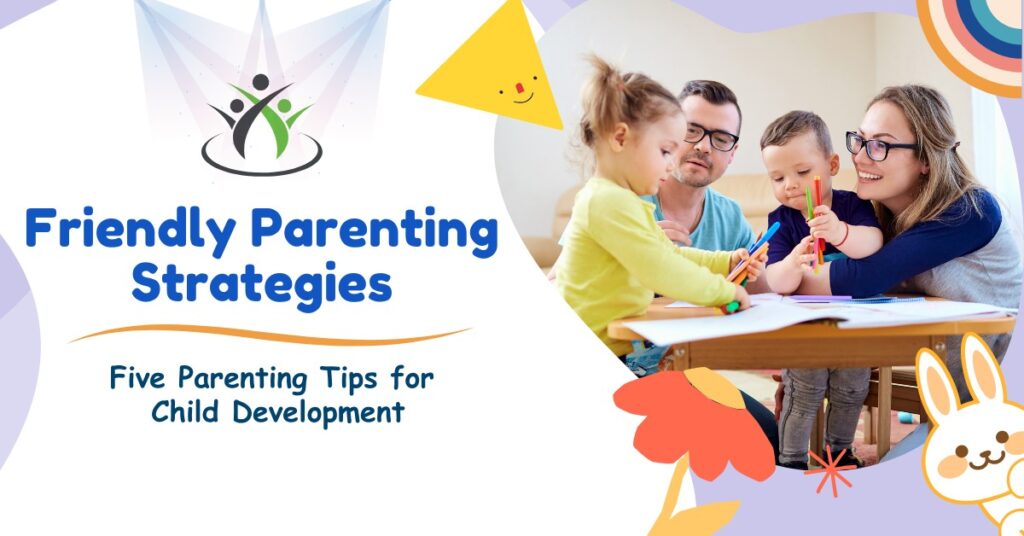
Top 5 Powerful Friendly Parenting Tips : बच्चों के विकास के लिए

friendly_Parenting
friendly_Parenting

21वीं सदी में Friendly Parenting बच्चों की परवरिश का एक अत्याधुनिक तरीका है जो माता-पिता और बच्चों के बीच Trust, Respect और Free Communication पर केंद्रित है। मनोवैज्ञानिक शोधो से पता चलता है कि अधिकार या दंड का उपयोग करने के बजाय, Friendly Parenting बच्चे की भावनाओं, आवश्यकताओं और उनके नजरिए को समझने को प्रोत्साहित करती है।

यह परवरिश का तरीका एक सकारात्मक वातावरण को बढ़ावा देता है। जो बच्चों के समग्र भावनात्मक, सामाजिक और मनोवैज्ञानिक विकास में सहायक होता है। सहानुभूतिपूर्ण एवं सहयोगी की भूमिका से, माता-पिता अपने बच्चों को आत्मविश्वास से बढ़ने और बेहतर निर्णय लेने के लिए मार्गदर्शन कर सकते हैं, साथ ही एक निकटतम एवं भावनात्मक बन्धन भी बनाए रख सकते हैं।

Friendly Parenting के लाभ:

Friendly Parenting बच्चों के समग्र विकास में निम्नलिखित रूपों में महत्त्वपूर्ण भूमिका निभाता है:-

Emotional Development:

बच्चों के जीवन में Friendly Parenting एक सुरक्षित भावनात्मक स्थान बनाता है जहाँ बच्चे मूल्यवान और समझे जाने का अनुभव करते हैं। जब माता-पिता सहानुभूति और धैर्य के साथ जुड़ते हैं, तो बच्चे अपनी भावनाओं को स्वस्थ तरीके से व्यक्त करना और उनका प्रबंधन करना सीखते हैं, जिससे बेहतर भावनात्मक बुद्धिमत्ता विकसित होती है।

Social Skill:

जब माता-पिता बच्चों के साथ स्नेह व सम्मानपूर्वक बातचीत करते है तो बच्चें भी दूसरों के साथ सकारात्मक रूप से बातचीत करना सीखता है। वे सहयोग, सहानुभूति और संघर्ष-समाधान जैसे प्रमुख सामाजिक कौशल (Social Skill) सीखते हैं, जो जीवन भर मजबूत संबंध बनाने के लिए आवश्यक हैं।

Cognitive Development:

बच्चों के साथ खुला संवाद के माध्यम से जिज्ञासा और रचनात्मकता बढ़ती है।  जिसको प्रोत्साहित करने से बच्चों में तथ्यात्मक सोच और समस्या-समाधान कौशल विकसित करने में मदद मिलती है। Friendly Parenting एक विकासवादी  मानसिकता को बढ़ावा देता है, जहाँ बच्चे सवाल पूछने और नए विचारों की खोज करने में सहज महसूस करते हैं।

Self-Confidence:

Friendly Parenting से पले-बढ़े बच्चे अपनी क्षमताओं और निर्णयों में सुरक्षित महसूस करते हैं क्योंकि वे लगातार आलोचना या सज़ा से डरते नहीं हैं। इससे उनका आत्म-सम्मान और आत्मविश्वास बढ़ता है, जिससे उनमें जोखिम उठाने की क्षमता का विकास होता हैं और असफलता के डर के बिना वे आगे बढ़ पाते हैं।

Mental Health:

एक सहायक और समझदार घरेलू माहौल बच्चों में तनाव और चिंता को कम करता है। Friendly Parenting माता-पिता और बच्चे के बीच के बंधन को मजबूत करता है, मानसिक स्वास्थ्य, लचीलापन और सकारात्मक आत्म-अवधारणा को बढ़ावा देता है।

उपरोक्त वर्णनों को देखकर हम कह सकते है कि Friendly Parenting यह सुनिश्चित करता है कि बच्चे मानसिक और भावनात्मक रूप से संतुलित और स्वस्थ तरीके से विकसित हों, जिससे वे एक सफल और पूर्ण जीवन के लिए तैयार हों। वर्तमान समय में विशेषज्ञों ने Friendly Parenting के ढेर सारे तरीको की व्याख्या की है।  जिन्हे हम थोड़े से ही प्रयास से सीख सकते है। 

इन तरीको को सीखने के लिए Parenting Books का सहयोग ले सकते है, Parenting के क्षेत्र में व्यावसायिक रूप से काम करने वाले विशेषज्ञों का सहयोग ले सकते है या तो internet पर बहुत सारे विशेषज्ञों द्वारा द्वारा लिखे गए Blog-Post का भी सहारा ले सकते है।  आइये यहाँ हम कुछ प्रमुख Friendly Parenting तरीको की चर्चा करते है जिनकी सहायता से हम बच्चों को अच्छी परवरिश दे सकते है :

1. बच्चों को ध्यान से सुनना (Active Listening):

यहाँ  सक्रिय रूप से सुनने का मतलब है कि जब आपका बच्चा बोल रहा हो तो उस पर पूरा ध्यान देना, सिर्फ़ उनके शब्दों को सुनना नहीं बल्कि उनकी भावनाओं और विचारों को समझना और उनके शब्दों के अनुसार भाव व्यक्त करना।

Friendly_Parenting_Active_Listening

विशेषज्ञों ने इस तरह की Friendly Parenting के लाभों की चर्चा करते हुए कहा है कि  जब आप सक्रिय रूप से अपने बच्चे की बात सुनते हैं, तो आप विश्वास की नींव बनाते हैं। वे अपनी भावनाओं और विचारों को साझा करने में ज़्यादा सहज महसूस करते है, यह जानते हुए कि आप वास्तव में उनमें रुचि रखते हैं।

How to Implement:

फ़ोन या टीवी जैसी किसी चीज़ से विचलित हुए बिना अपने बच्चे से बात करने के लिए हर दिन समय निकालें। आँख से आँख मिलाकर, सिर हिलाकर और उनकी बातों के बारे में सवाल पूछकर उन्हें दिखाएँ कि आप ध्यान दे रहे हैं। उन्हें अपने विचार साझा करने के लिए प्रोत्साहित करें, भले ही वह कोई छोटी सी बात ही क्यों न हो।

बीच में टोकने या सलाह देने से बचें; कभी-कभी, उन्हें बस सुनने की ज़रूरत होती है। धैर्य रखकर और ध्यानपूर्वक सुनकर आप ऐसा वातावरण तैयार करते हैं, जहां आपका बच्चा अपनी बात खुलकर कहने में सुरक्षित महसूस करता है। यानी Friendly Parenting का मतलब Less Correct & More Connect.

2. अच्छे कामों की तारीफ़ (Positive Reinforcement):

यहाँ अच्छे कामों की तारीफ़ का मतलब है,  सकारात्मक सुदृढीकरण। यह व्यवहार आपके बच्चे के किसी भी अच्छे व्यवहार की सराहना और उसे पुरस्कृत करने के बारे में है, चाहे वह प्रशंसा के माध्यम से हो, गले लगाने के माध्यम से हो या सोने से पहले कहानी सुनाने जैसे छोटे-मोटे पुरस्कारों के माध्यम से हो।

Positive_Reinforcement_Parenting

विशेषज्ञों ने Friendly Parenting के होने वाले लाभों की चर्चा करते हुए कहा है कि जब बच्चों को उनके प्रयासों के लिए प्रशंसा मिलती है, तो इससे उनका आत्मविश्वास और आत्म-सम्मान बढ़ता है। वे अच्छे व्यवहार के महत्व को समझने लगते हैं और अच्छा व्यव्हार करने के लिए अधिक प्रेरित होते हैं।

सकारात्मक सुदृढीकरण (Positive einforcement) माता-पिता और बच्चों के बीच एक मजबूत आत्मिक बन्धन को भी बल देता है।

How to Implement:

Friendly Parenting पद्धति अपनाने वाले माता-पिता को बच्चों के केवल परिणाम के बजाय प्रयास की प्रशंसा करने पर ध्यान देना चाहिये ।

उदाहरण के लिए, यदि आपका बच्चा स्कूल प्रोजेक्ट पर काम करने में समय बिताता है, तो केवल यह कहने के बजाय, “आपने अपने ग्रेड के लिए अच्छा काम किया,” यह कहने का प्रयास करें, “मुझे इस प्रोजेक्ट पर आपकी कड़ी मेहनत पर गर्व है!” Friendly Parenting तकनीकि केवल परिणाम नहीं, बल्कि उनके समर्पण के मूल्य पर जोर देता है।

3. नियम बनाये पर प्यार से (Set Clear Boundaries with Flexibility):

Friendly Parenting के अन्तर्गत स्पष्ट सीमाएँ निर्धारित करने का मतलब है अपने बच्चे के व्यवहार के लिए नियम और अपेक्षाएँ बनाना, लेकिन ये नियम और अपेक्षाएं उनकी सहमति, प्यार और समझ के साथ करना। इस नियम से तात्पर्य उन्हें परिस्थियों के साथ मार्गदर्शन करने के बारे में है।

Gentle_Discipline_Parenting

  साथ ही साथ बच्चों की व्यक्तिगत ज़रूरतों, भावनाओं और स्थितियों के बारे में भी जागरूक रहना चाहिए।

विशेषज्ञों ने इसके होने वाले लाभों की चर्चा करते हुए कहा है कि स्पष्ट सीमाएँ बच्चों को यह समझने में मदद करती हैं कि उनसे क्या अपेक्षित है, जिससे उन्हें सुरक्षित महसूस होता है। जब बच्चे अपनी सीमाएँ जानते हैं, तो उनमें ज़िम्मेदारी और आत्म-अनुशासन की भावना विकसित होती है।

How to Implement:

आपके द्वारा निर्धारित नियमों के पीछे के कारणों को समझाकर शुरू करें, ताकि वे केवल प्रतिबंध ही नहीं, बल्कि उद्देश्य को भी समझें। उदाहरण के लिए, अगर सोने का समय रात 9 बजे है, तो समझाएँ कि पर्याप्त नींद लेने से उन्हें सक्रिय और स्वस्थ रहने में कैसे मदद मिलती है।

नियमों को लागू करने में सुसंगत रहें, लेकिन कभी-कभी लचीलेपन के लिए भी तैयार रहें। अगर आपका बच्चा स्कूल प्रोजेक्ट पर कड़ी मेहनत कर रहा है, तो उसे थोड़ी देर और जागने देना समझदारी दिखाता है।

अनुशासन को आत्मानुभूति के साथ संतुलित करें।  बनाये हुए  नियम सख्त होने चाहिए फिर भी बच्चों  की बदलती ज़रूरतों के हिसाब से भी बदलना चाहिए। Friendly Parenting में एक ऐसा सौहार्दपूर्ण माहौल बनाने में मदद मिलती है जहाँ बच्चें  समर्थित होने के साथ-साथ ज़िम्मेदार भी महसूस करते हैं।

4. बच्चों की भावनाओं को समझें (Empathy and Understanding):

Friendly Parenting पद्धति में आत्मानुभूति (Empathy) का मतलब है अपने बच्चे की जगह खुद को रखना और उनकी भावनाओं और अनुभवों को समझना। यह नियम बच्चों की भावनाओं को पहचानने के बारे में है।  उनकी भावनायें भले ही आपको छोटी लगें, फिर भी पूरी मन और स्नेह के साथ जवाब दें।

Empathy_in_Parenting

विशेषज्ञों ने इसके होने वाले लाभों की चर्चा करते हुए कहा है कि जब आप सहानुभूति दिखाते हैं, तो आपका बच्चा स्वयं को समझदार और मूल्यवान महसूस करता है, जो उसके साथ आपके सम्बन्ध  को मजबूत करता है। यह भावनात्मक बुद्धिमत्ता (EQ) को भी मजबूत  करता है। जो बच्चे सहानुभूति के साथ बड़े होते हैं वे अपनी भावनाओं को बेहतर ढंग से समझने और दूसरों से जुड़ने में सक्षम होते हैं।

How to Implement:

Friendly Parenting में बच्चों की भावनाओं को मान्यता देकर  शुरू करें। उदाहरण के लिए, यदि आपका बच्चा किसी खिलौने के टूटने से परेशान है, तो यह कहने के बजाय, “यह कोई बड़ी बात नहीं है,” आप कह सकते हैं, “मैं देख सकता हूँ कि आप अपने खिलौने के बारे में वास्तव में दुखी हैं। आइए बात करते हैं कि हम इसे कैसे ठीक कर सकते हैं या इसका समाधान कैसे खोज सकते हैं।” इससे पता चलता है कि उनकी भावनाएँ मायने रखती हैं।

आत्मानुभूति वाले शब्दों और कार्यों का उपयोग करें, जैसे गले लगाना या जब वे उदास महसूस कर रहे हों तो उनके साथ बैठना। उन्हें अपनी भावनाओं के बारे में बात करने और बिना किसी निर्णय के सुनने के लिए प्रोत्साहित करें। अपने व्यवहार में सहानुभूति का उदाहरण देकर, आप उन्हें दूसरों को समझने का महत्व सिखाते हैं, जिससे एक सकारात्मक एवं भावनात्मक वातावरण बनता है।

5. बच्चों को आत्मनिर्भर बनना सिखाये (Encourage Independence):

Friendly Parenting में बच्चों की आत्मनिर्भरता से मतलब उनकी स्वतंत्रता को प्रोत्साहित करना है।  अपने बच्चे को उनकी उम्र के हिसाब से चुनाव करने और कुछ कार्यों की जिम्मेदारी लेने की अनुमति देना चाहिए । इससे उन्हें अपने अनुभवों से सीखने में मदद मिलती है – सफलता और गलतियों दोनों से।  साथ ही महत्वपूर्ण जीवन कौशल विकसित होते हैं।

उन्हें खुद से समस्याओं का पता लगाने और हल करने का मौका देकर, आप उन्हें उनकी क्षमताओं में आत्मविश्वास बढ़ाने में मदद कर रहे हैं।

Friendly_Parenting_Independence_Child

विशेषज्ञों ने इसके होने वाले लाभों की चर्चा करते हुए कहा है कि जब बच्चों को निर्णय लेने और कार्यों को प्रबंधित करने के अवसर दिए जाते हैं, तो उनमें मजबूत समस्या-समाधान कौशल विकसित होते हैं। स्वतंत्रता सदैव बच्चों के आत्मविश्वास को बढ़ावा देती है, क्योंकि बच्चे अपनी उपलब्धियों पर गर्व महसूस करते हैं।

How to Implement:

बच्चों की उम्र के हिसाब से स्वतन्त्रता की शुरुआत ऐसे कामों से करें जिन्हें वे संभाल सकें। छोटे बच्चों के लिए, उनके कपड़े स्वयं चुनना, उनके खिलौने साफ करना या टेबल सेट करने में मदद करना हो सकता है। बड़े बच्चों के लिए, उन्हें अपने होमवर्क रूटीन के बारे में निर्णय लेने दें या पारिवारिक गतिविधियों की योजना बनाने में भाग लेने के लिए प्रोत्साहित करें।

Friendly Parenting में बच्चों के प्रयासों का समर्थन करें, बिना उन पर नियंत्रण किए, भले ही परिणाम सही न हों। उदाहरण के लिए, अगर उन्हें अपने जूते बांधना सीखने में परेशानी हो रही है, तो उन्हें धैर्यपूर्वक मार्गदर्शन दें, लेकिन उन्हें तब तक प्रयास करने दें जब तक वे सफल न हो जाएं।

समर्थन और स्वतंत्रता का यह संतुलन बच्चों को आत्मविश्वासी, सक्षम व्यक्ति बनने में मदद करता है जो अपनी क्षमताओं पर भरोसा करते हैं।

निष्कर्ष (Conclusion):

अन्ततः उपरोक्त तथ्यों को देखते हुए हम कह सकते है कि यदि अभिभावक को वर्तमान समय के अनुसार Effective Parenting करनी है तो उपरोक्त Positive Parenting Technique अपनाकर बच्चों के शारीरिक, मानसिक एवं संवेगात्मक विकास में हम अभिभावक के नाते अपनी सकारात्मक भूमिका निभा सकते है।

दिन-प्रतिदिन के अभिभावकीय जीवन में हम यदि उद्देश्य बनाकर उपरोक्त तकनीकों का प्रयोग अपने बच्चों के पालन-पोषण में करते है तो उसका परिणाम बच्चों के जीवन में अवश्य ही सकारात्मक एवं लाभकारी होगा।

अन्त में यह कहते हुए इस Blog Post को समाप्त करेंगे कि Friendly Parenting का मतलब सिर्फ़ आज बच्चों का मार्गदर्शन करना नहीं है; इसका मतलब है उन्हें kind, confident, एवं  empathetic वयस्क बनाना जो वे कल बनेंगे। सिर्फ प्यार, विश्वास और समझ को बढ़ावा देकर, आप अपने बच्चे और समाज दोनों के लिए एक उज्जवल भविष्य में निवेश कर रहे हैं।

करने योग्य कार्य :

आपकी पसंदीदा Friendly Parenting तकनीकि क्या है? नीचे टिप्पणियों में अपने विचार या सुझाव साझा करें। मुझे आपसे सुनना अच्छा लगेगा! आइए हम अपने बच्चों के लिए सकारात्मक और पोषणीय  वातावरण बनाते हुए एक साथ सीखें और बढ़ें।
अगर आपको ये Parenting Tips मददगार लगीं, तो इस ब्लॉग पर टिप्पणी करना न भूलें या अधिक व्यावहारिक पेरेंटिंग टिप्स और सलाह के लिए हमसे बेझिझक जुड़ सकते है। आइए खुश, आत्मविश्वासी और भावनात्मक रूप से मज़बूत बच्चों की परवरिश की इस यात्रा को जारी रखें!