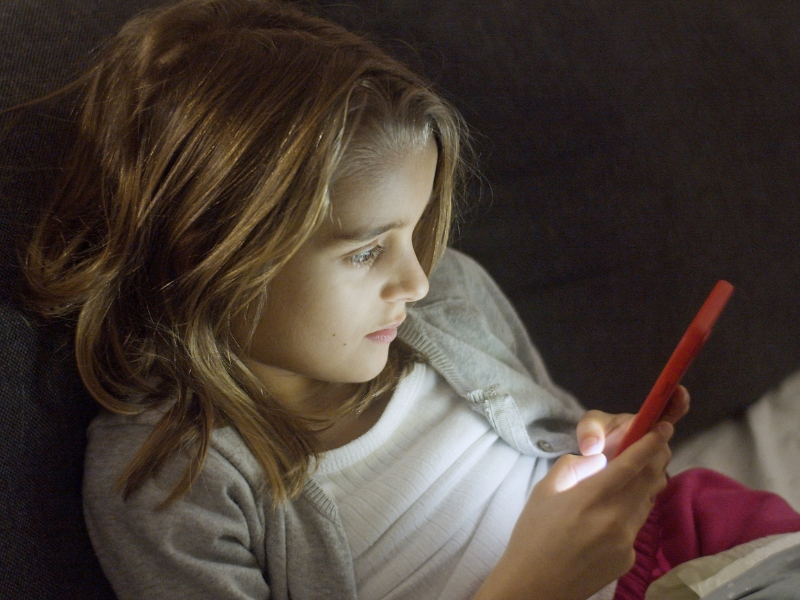


7 Practical Ways to Bridge the Parent-Teen Gap

Parent-Teen gap
Parent-Teen gap

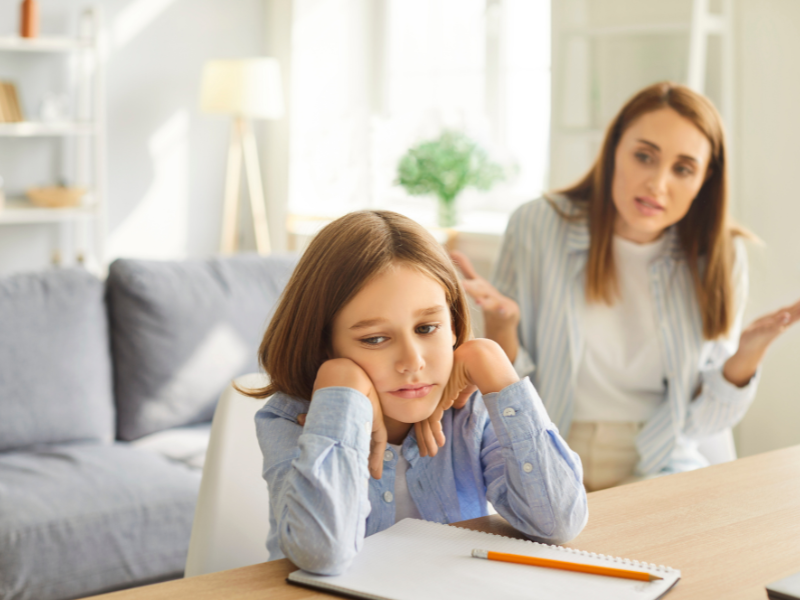
आज के time में बहुत सारे parents यही feel करते हैं कि “मेरा बच्चा मुझसे दूर होता जा रहा है”। Teenagers भी अंदर से यही सोचते हैं कि “मेरे parents मुझे समझते ही नहीं”। इसी misunderstanding से parent-teen gap धीरे-धीरे बढ़ता चला जाता है।
एक Counseling psychologist के तौर पर मैंने देखा है कि यह gap किसी एक दिन में नहीं बनता, बल्कि छोटे-छोटे moments में बनता है – जब बात सुनी नहीं जाती, feelings को ignore किया जाता है, या हर conversation lecture बन जाती है।
अच्छी बात यह है कि Parent-teen gap को bridge किया जा सकता है। उसके लिए perfection नहीं, patience और understanding चाहिए।

Why Is There a Growing Parent-Teen Gap Today?

आज के teenagers एक अलग world में grow कर रहे हैं – social media, peer pressure, academic competition और identity confusion के बीच। Parents अक्सर अपने अनुभव से guide करना चाहते हैं, लेकिन teens इसे control या pressure समझ लेते हैं।
यहीं से parent-teen gap शुरू होता है। Parents care दिखाना चाहते हैं और teens freedom चाहते हैं। दोनों के intentions अच्छे होते हैं, लेकिन communication गलत हो जाती है।

1. Listen More, Lecture Less

Parent-Teen gap

Most parents unknowingly conversation को lecture बना देते हैं। Teen कुछ share करता है और parent तुरंत advice mode में चले जाते है।
जब हर conversation advice या lecture बन जाती है, teens बोलना बंद कर देते हैं। उन्हें लगता है कि उनकी बात सुनी नहीं जाएगी।
Teens को सबसे पहले solution नहीं, listening ear चाहिए। जब आप बिना interrupt किए सुनते हैं, तब parent-teen gap automatically कम होने लगता है।

Counseling tip:

जब parent बिना interrupt किए सुनता है, तब teen feel करता है कि “मेरी feelings matter करती हैं”। Active listening parent-teen gap को कम करने की पहली सीढ़ी है।
पहले सुनिए, बाद में समझाइए। Sometimes silence is more powerful than advice.

2. Understand That Teen Behavior Is Not Disrespect

Parent-Teen gap

Teenage years emotional ups and downs से भरे होते हैं। Mood swings, irritation और withdrawal अक्सर parents को disrespect लगते हैं। लेकिन reality यह है कि teen खुद confuse होता है। अगर parent हर behavior को attitude समझेगा, तो parent-teen gap और बढ़ेगा। Teen behavior को attitude नहीं, emotional struggle की तरह देखें।

3. Communicate Without Fear or Judgment

Parent-Teen gap

अगर teen को डर लगे कि “अगर मैंने सच बताया तो डांट पड़ेगी”, तो वो चुप रहना choose करता है। Judgment-free communication parent-teen gap को bridge करने का सबसे strong tool है।
जब parents react करने की जगह respond करते हैं, तब teens धीरे-धीरे open होते हैं।
Simple rule:
👉 Talk less to correct, talk more to connect.

4. Spend Quality Time Without Forcing Conversations

Parent-Teen gap

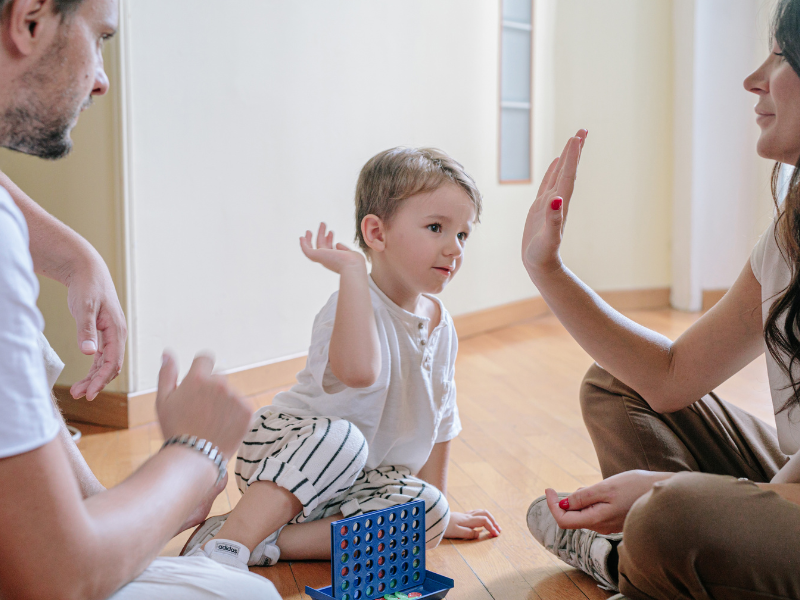
हर bonding deep talk से नहीं होती। कभी-कभी साथ बैठकर खाना, walk पर जाना, या favorite show देखना भी connection बना देता है।
Forced conversation teens को uncomfortable कर देती है और parent-teen gap बढ़ सकता है Unplanned moments में teen naturally open होता है।

 5. Set Boundaries With Love, Not Control

Parent-Teen gap

Boundaries जरूरी हैं, लेकिन control नहीं। जब rules fear से बनते हैं, तो rebellion आता है।
Healthy boundaries teens को safety और clarity देती हैं। जब teen को reason समझ आता है, तो वो rules accept करता है और parent-teen gap कम होता है।

Ask yourself:
👉 “Am I guiding my child or controlling them?”

6. Accept That Your Teen Is Growing Into a Different Person

Parent-Teen gap

कई parents unknowingly अपने dreams, expectations और fears teen पर project कर देते हैं। Teen को लगता है कि उसे accept नहीं किया जा रहा। Acceptance parent-teen gap को bridge करने की key है। आपका teen आपका reflection नहीं, एक अलग individual है। जब parent accept करता है, तब teen trust करता है।

7. Be the Emotional Role Model You Want Your Teen to Become

Parent-Teen gap

Teens advice से नहीं, behavior से सीखते हैं।
अगर parent calm नहीं है, तो teen calm कैसे बनेगा?
जब parents अपने emotions handle करना सीखते हैं, तब parent-teen gap naturally shrink होता है।

Remember:
👉 Your actions teach more than your words.

Common Mistakes Parents Make That Widen the Parent-Teen Gap

👉 Comparing teen with others
👉 Public shaming or constant criticism
👉 Ignoring teen emotions
👉 Expecting instant obedience
ये mistakes धीरे-धीरे parent-teen gap को deepen कर देती हैं, बिना parents को realize हुए।

How Counseling Helps Bridge the Parent-Teen Gap

Parent-Teen gap

Counselling एक safe space create करती है, जहाँ parent और teen दोनों बिना डर अपनी feelings express कर सकते हैं।
As a counsellor, मैंने देखा है कि थोड़ी guidance और सही communication tools से सालों पुराना parent-teen gap भी heal हो सकता है।
Counseling blame नहीं करती, understanding create करती है।

Bridging the Parent-Teen Gap Is a Journey, Not a One-Day Fix

Parent-teen gap कोई failure नहीं है। यह एक signal है कि relationship को नए तरीके से समझने की जरूरत है।
Teenage phase temporary है, लेकिन relationship lifelong है। अगर आज parents patience और empathy choose करते हैं, तो future में trust और respect return में मिलता है।
Perfect parent बनने की जरूरत नहीं है, emotionally available parent बनने की जरूरत है, वहीं से healing शुरू होती है।
Balancing Bonds: Inspiring Parenting and Growing Up in Nuclear Families

Nuclear Family Parenting

Joint families से Nuclear Family Parenting तक का सफर हमारे रिश्तों को बदल चुका है। अब Nuclear Family Parenting का मतलब सिर्फ बच्चों की देखभाल नहीं, बल्कि Emotional Connection बनाए रखना भी है। इस ब्लॉग में हम बात करेंगे कि Nuclear Family Parenting में कैसे छोटे-छोटे steps लेकर हम अपने रिश्तों को और गहरा बना सकते हैं।

1. Modern Family, Modern Challenges

Nuclear Family Parenting

आज के समय में परिवार छोटे हो गए हैं – Joint Family का Support System अब अक्सर नहीं होता। अब ज़्यादातर घरों में Nuclear Family Parenting का दौर है, जहाँ माता-पिता को हर ज़िम्मेदारी खुद निभानी पड़ती है — Job, Household work, बच्चों की पढ़ाई, और उनकी Emotional जरूरतें भी।
Modern lifestyle ने Relationships का Pattern ही बदल दिया है। Busy Daily Schedule, Digital Distractions, और Work Stress ने Family Bonding को प्रभावित किया है। अब घर में लोग साथ तो हैं, लेकिन बातचीत कम और Mobile Scroll ज़्यादा है।
Parents feel guilty कि बच्चों को Quality time नहीं दे पा रहे, और बच्चे महसूस करते हैं कि Parents हमेशा busy रहते हैं।

2. The Emotional Distance in Families

Nuclear Family Parenting

आज के Nuclear Family Parenting Setup में Parents और Kids एक ही घर में रहते हैं, लेकिन कई बार उनके बीच की दूरी बढ़ती जा रही है। Physical Togetherness तो है, पर Emotional Connection कहीं खो सा गया है।
Dinner table पर conversation की जगह TV noise या Mobile Screens ले चुकी हैं। Parents अपने कई Roles को एक साथ संभालते हैं — काम, घर, बच्चों की पढ़ाई, और Responsibilities — और उसी बीच बच्चों की छोटी-छोटी बातें सुनना अक्सर पीछे रह जाता है। Kids भी अपनी Screens और Online world में खोए रहते हैं। धीरे-धीरे घर का माहौल ऐसा बन जाता है जहाँ सब पास होते हुए भी Emotionally apart महसूस करते हैं।
इस Disconnect का असर सिर्फ रिश्तों पर नहीं, बल्कि बच्चों की Mental Health और Self-Esteem पर भी पड़ता है।
जब बच्चे महसूस करते हैं कि उनकी बातें ध्यान से नहीं सुनी जातीं, तो वे धीरे-धीरे अपने Emotions छिपाना शुरू कर देते हैं। इससे Trust और Openness दोनों कम हो जाते हैं।

As a Counselor,, हम अक्सर देखते है कि Nuclear family parenting छोटे Efforts भी बड़ा बदलाव ला सकते हैं — जैसे Dinner के वक्त Mobile दूर रखना, या रोज़ सिर्फ 10 मिनट बिना किसी Distraction के बच्चे से बात करना। ये छोटे कदम बच्चे को महसूस कराते हैं कि “I matter.” Because In the world of constant connection, what children crave the most is real attention.

3. What Kids Really Need – Love, Time या बस सुनने वाला कोई?

Nuclear Family Parenting

हर बच्चा अपने तरीके से प्यार, ध्यान और अपनापन चाहता है। लेकिन आज के nuclear family parenting culture में, parents को लगता है कि बच्चों के लिए अच्छा future देना ही सबसे बड़ा प्यार है — अच्छी schooling, facilities, और comfort।
पर बच्चों को इससे भी ज़्यादा चाहिए — Parents का time, Attention और Emotional Presence.
“बच्चे Perfection नहीं चाहते, उन्हें चाहिए Presence.”
कई बार बच्चे अपनी छोटी-छोटी बातों को Share करना चाहते हैं, पर जब Parents जल्दी में होते हैं या Distracted होते हैं, तो वे चुप रहना सीख लेते हैं। धीरे-धीरे ये Emotional Silence बढ़ने लगता है — और बच्चे अंदर से Insecure महसूस करने लगते हैं।
Children don’t always need answers; they just want to be heard. जब कोई उन्हें बिना टोके, बिना जज किए सुनता है, तो वे Open Up करते हैं, Confident बनते हैं, और Trust Develop होता है।

As a Counselor, हम अक्सर देखते है कि Nuclear family parenting में बच्चों से जुड़ने के लिए आपको बड़े Gestures की ज़रूरत नहीं, बस छोटे, Consistent moments काफी हैं। जैसे –
👉 रोज़ थोड़ा समय सिर्फ बच्चे को सुनने और समझने के लिए निकालना ।
👉 उनके दिन के अनुभवों में खुद को शामिल करना ।
👉 हर छोटी success पर उन्हें encourage करना ।
👉 “Great job!” या “बहुत अच्छा किया!” जैसे Positive शब्दों का use करना ।

Nuclear Family Parenting

ऐसे ही छोटे-छोटे moments बच्चों के confidence, emotional growth और happiness को nurture करते हैं। यही असली parenting का essence है — connection over perfection.

4. Parenting with Heart – How to Build Emotional Security at Home

Nuclear Family Parenting

Nuclear family parenting में Parenting का मतलब सिर्फ बच्चों को Guide करना नहीं, बल्कि उन्हें एक ऐसा माहौल देना है जहाँ वे Emotionally Safe और Understood महसूस करें।
आज के Nuclear Family Parenting Setup में, यही सबसे बड़ी जरूरत बन गई है — क्योंकि जब बच्चे Emotionally secure होते हैं, तो वे Confident, Expressive और Empathetic बनते हैं।
Emotional Security Build करने के लिए Parents को बहुत बड़े Steps नहीं, बल्कि Small, Consistent efforts करने की ज़रूरत है —

1. One Family Meal Without Screens:

रोज़ाना एक Meal साथ में खाएं — बिना Phone या TV के Distraction के। ये छोटा Moment भी Belongingness बढ़ाता है।

2. Ten-Minute Talk Time:

हर दिन 10 मिनट सिर्फ सुनने के लिए निकालिए — बिना Advice दिए, बिना Interrupt किए। जब बच्चा Freely बोलता है, तो Trust बढ़ता है।

3. Praise Efforts, Not Just Results:

Result से ज़्यादा कोशिश की तारीफ़ करें। इससे बच्चा जानता है कि उसे उसकी Identity से नहीं, उसकी मेहनत से Value दी जा रही है।

4. Express Your Own Feelings Too:

Nuclear family parenting में Parents अपने Emotions Share करते हैं, तो बच्चे Emotional Expression को Normal समझते हैं। ये Open Communication का Foundation बनता है।
“जब घर में सुनने और समझने का माहौल होता है, तो बच्चा खुद-ब-खुद खुश रहना सीख जाता है।”
As a Counselor, हम अक्सर यही observe करते है कि — जब Parents थोड़ा Mindful होकर बच्चों के साथ Connect करते हैं, तो घर का Environment Calm और loving बन जाता है। Emotional warmth ही वो thread है जो family को जोड़े रखता है।

5. Let’s Reconnect – Creating Warmth in Small Families

हर घर चाहे बड़ा हो या छोटा, बच्चों और Parents के लिए सबसे ज़रूरी है — Love, Care और Understanding Environment
 आज के Nuclear Family Parenting में Connection बनाए रखना Challenge बन गया है, लेकिन यह Impossible नहीं है। बस ज़रूरत है थोड़े Awareness और छोटे Efforts की।


“Family doesn’t need perfection, it just needs participation.”
Nuclear Family Parenting

1. Family Rituals

हर हफ़्ते कोई छोटा Ritual बनाइए — जैसे Game Night, Movie Night, या Sunday Cooking साथ में। ये Simple Moments Memories और Togetherness दोनों बढ़ाते हैं।

2. Express Appreciation

छोटी चीज़ों के लिए “Thank you” या “I’m proud of you” कहें। ये positivity और trust build करता है।

3. Digital Detox Moments

Dinner या bedtime में gadgets दूर रखें। जब Screens कम और Conversations ज़्यादा हों, तो प्यार अपने आप लौट आता है।
“Emotional bonding doesn’t need extra time, it just needs extra attention.”
हर दिन कुछ Mindful मिनट बच्चों के साथ बिताना उन्हें प्यार, Confidence और Emotional Security देता है।
क्योंकि Parenting का मतलब परफेक्ट होना नहीं, बल्कि हर पल अपने बच्चे के साथ होना है।

Remember, “Strong families aren’t built in big houses, they’re built in small moments of love.”

7 Warning Signs of Anxiety in Kids Every Parent Should Know

Anxiety in kids
Anxiety in kids

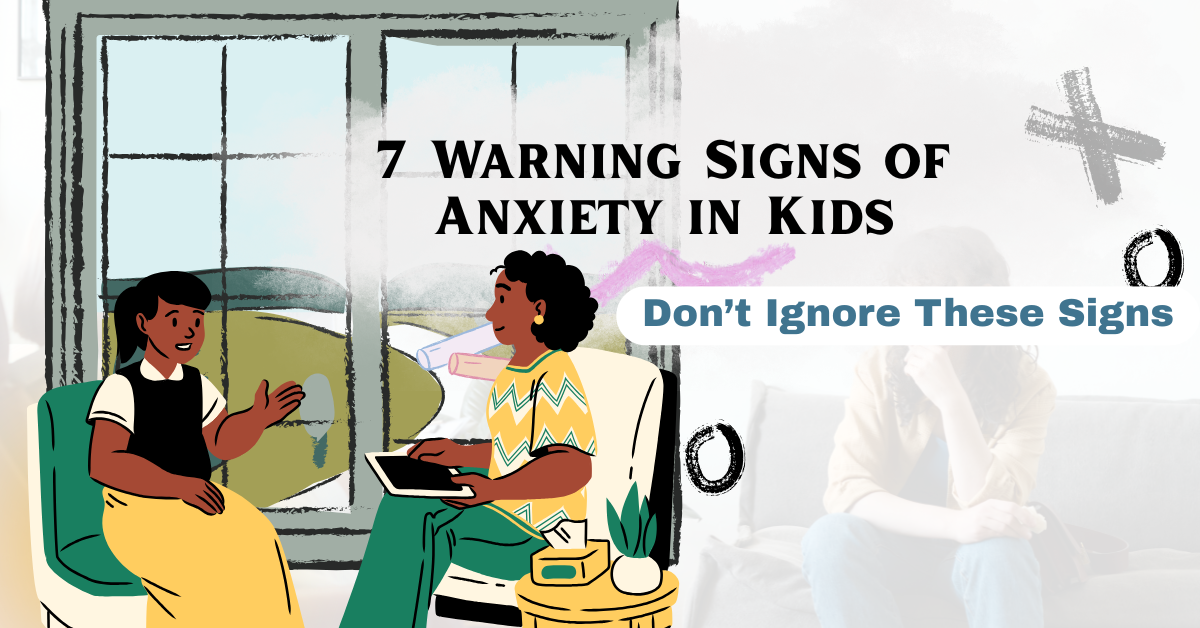
आज के समय में anxiety in kids यानी बच्चों में चिंता एक आम लेकिन नजरअंदाज की जाने वाली mental health problem बन गई है। परेशानी यह है कि ज़्यादातर parents और teachers इसे शुरुआत में पहचान नहीं पाते। बच्चों में anxiety के लक्षण बड़ों से काफी अलग होते हैं, और कई बार तो बच्चा खुद भी यह समझा नहीं पाता कि वह अंदर से कैसा महसूस कर रहा है।
अगर हम इन early signs को समय पर पहचान लें, तो न सिर्फ हम बच्चे को mental health issues से बचा सकते हैं, बल्कि उसे emotionally ज्यादा strong और confident बना सकते हैं।

इस blog में हम आपको बताएंगे 7 ऐसे signs जिन्हें पहचानना हर parent के लिए जरूरी है।

1. बार-बार पेट दर्द या सिर दर्द की शिकायत (Frequent Physical Complaints)

Anxiety in kids

जब बच्चा बार-बार शिकायत करता है – “मम्मी, मेरा पेट दुख रहा है” या “मेरे सिर में दर्द है,” और medically कोई clear reason नहीं मिलता, तो अक्सर parents इसे हल्के में ले लेते हैं। लेकिन कई बार ये anxiety in kids का early symptom हो सकता है।
Anxiety बच्चों की body के ज़रिए बाहर निकलती है – जैसे बार-बार headaches, stomach pain, nausea या vomiting की शिकायतें। यह एक stress-related physical response होता है।
बच्चों को खुद भी समझ नहीं आता कि उनका दर्द emotional है या mental tension की वजह से है, इसलिए वो सिर्फ physical pain की complaint करते हैं — जो दरअसल anxiety in kids का संकेत होता है।

What to do:

बच्चे से calmly बात करें।
उसे comfort दीजिए और pressure मत डालिए।
Reassure करें कि वो safe है और कोई problem नहीं है।

2. बार-बार डर लगना या negative सोचना (Constant Fear or Negative Thoughts)

Anxiety in kids

अगर बच्चा बार-बार कह रहा है – “मुझे डर लग रहा है,” या “अगर exam खराब हो गया तो?” तो ये sign है कि बच्चा anxious है।
छोटे-छोटे situations में डरना – जैसे new place, exam, competition या strangers – ये दिखाता है कि बच्चा अंदर से safe feel नहीं कर रहा है।
Anxiety वाले बच्चे usually worst-case सोचते हैं और future की unnecessary चिंता करते हैं। Example – “मुझसे तो हमेशा गलती हो जाएगी…” और ये भी anxiety in kids का early symptom हो सकता है।

What to do:

उनके डर को हल्का मत कहिए, सुनिए और validate करिए।
Positive examples और stories से motivate करिए।
Gradually exposure दीजिए ताकि उनका confidence बढ़े।

3. Social life से दूर भागना या अकेले रहना (Social Withdrawal)

Anxiety in kids

अगर कोई बच्चा जो पहले दोस्तों के साथ खेलता था, अब अचानक अकेले बैठना पसंद करने लगे या ग्रुप में जाने से बचे, तो यह एक चिंता का संकेत हो सकता है। ऐसे बच्चे अक्सर सोचते हैं कि लोग उन्हें जज करेंगे या उनकी गलतियों का मज़ाक बनाएंगे, इसलिए वे crowd से दूरी बनाने लगते हैं। ये व्यवहार धीरे-धीरे social anxiety/Anxiety in kids की शुरुआत हो सकता है, जहां बच्चा हर interaction में खुद को असहज महसूस करता है। कई बार ये स्थिति तब और बिगड़ जाती है जब बच्चा पर्याप्त आराम या better sleepनहीं ले पाता, जिससे उसकी emotional control और self-confidence दोनों प्रभावित होते हैं।

What to do:

Child को force मत करिए।
Small groups या familiar environments में introduce करिए।
Time के साथ slowly उनकी confidence build करिए।

4. बार-बार चिड़चिड़ाना या mood swings (Irritability & Mood Changes)

Anxiety in kids

Anxiety in kids सिर्फ sadness या डर के रूप में नहीं दिखती, बल्कि कई बार यह गुस्से, चिड़चिड़ाहट या अचानक बदलते मूड (sudden mood swings) के ज़रिए भी सामने आती है। ऐसे बच्चे छोटी-छोटी बातों पर irritate हो जाते हैं, क्योंकि वे पहले से ही mentally disturbed और emotionally overwhelmed होते हैं।
चाहे स्कूल में teacher की कोई बात हो या घर पर छोटे sibling का disturb करना – ये सब situations उन्हें बहुत भारी (overwhelming) लगती हैं, और वे नार्मल तरीके से react नहीं कर पाते।

What to do:

गुस्से के पीछे की problem को समझिए।
Calm behavior से बात करिए।
Meditation, deep breathing जैसी techniques में slowly interest जगाइए।

5. नींद से जुड़ी दिक्कतें (Sleep Disturbance)

Anxiety in kids

अगर बच्चा कहता है कि उसे नींद नहीं आती, डरावने सपने आते हैं या वह रात में बार-बार जागता है, तो यह anxiety in kids का संकेत हो सकता है। ऐसा बच्चा दिन की चिंताओं को रात में भी अपने साथ लेकर चलता है, जिससे उसका मन शांत नहीं हो पाता।
अक्सर उनके मन में डर भरी सोचें घूमती रहती हैं – जैसे “अगर मैं अकेले सोया तो क्या होगा?” या “अंधेरे में कुछ हो गया तो?”। ये repetitive thoughts उनकी नींद disturb कर देती हैं, जिससे बच्चा सुबह तक ठीक से rest नहीं कर पाता। समय रहते इन संकेतों को समझना बहुत ज़रूरी है।

What to do:

सोने से पहले peaceful routine बनाइए (story, light music)।
Screen time कम करिए।
Night routine में positive thoughts discuss करिए।

6. Overthinking या बार-बार confirmation लेना (Overthinking & Reassurance Seeking)

Anxiety in kids

Anxiety in kids का एक आम संकेत यह है कि बच्चे बार-बार reassurance मांगते हैं। ऐसे anxious बच्चे अक्सर पूछते हैं – “Are you sure मैं ठीक रहूंगा?” या “पापा, आप नाराज़ तो नहीं हो?” उन्हें हर बात में बार-बार confirmation चाहिए होता है, क्योंकि उनका mind हर चीज़ को overthink करता है। यह बताता है कि बच्चा अंदर से बहुत ज़्यादा unsure और insecure महसूस कर रहा है।

What to do:

Clear answers दीजिए लेकिन बार-बार reassurance से बचिए।
Encourage करिए कि वो खुद पर trust करे।
“What if…” thinking को positive में बदलिए।

7. स्कूल जाने से डरना या avoid करना (School Avoidance)

Anxiety in kids

बहुत से anxious बच्चे स्कूल जाने से डरने लगते हैं — जैसे पेट दर्द का बहाना बनाना, रोना या साफ़ मना कर देना। ये anxiety in kids के common signs हो सकते हैं। इसके पीछे कारण हो सकते हैं: exam का डर, bullying, teacher का strict व्यवहार या किसी दोस्त से जुड़ी कोई परेशानी। अगर बच्चा बार-बार स्कूल जाने से मना करता है, तो यह long-term anxiety को बढ़ा सकता है।

What to do:

धीरे-धीरे child को prepare करिए।
Teachers से communicate करिए।
Routine maintain करिए ताकि बच्चा धीरे-धीरे fear को manage करे।

Parents के लिए जरूरी Tips:

Anxiety in kids

✔️ बच्चे की feelings को lightly मत लीजिए।
✔️ हर time उन्हें confident और secure feel कराइए।
✔️ Regularly उनकी बातें सुनिए और समझिए।
✔️ Physical health के साथ emotional health का भी ध्यान रखिए।
✔️ अगर signs long-term दिखें, तो school counselor या child psychologist से help लीजिए।

Anxiety in Kids एक ऐसी problem है जिसे नजरअंदाज करना future में emotional health के लिए risk बन सकता है।
Parents का role बहुत important होता है — बच्चों को safe, heard और understood feel कराना ही उनकी healing का पहला step है।
Early support से बच्चा न सिर्फ anxiety से बाहर आ सकता है, बल्कि future challenges के लिए mentally strong बन सकता है।

अगर आपको ये ब्लॉग मददगार लगा हो, तो इसे शेयर करें और कमेंट में जरूर बताएं कि आप अपने बच्चे की Mental health और Anxiety in kids को समझने और संभालने के लिए क्या कदम उठाते हैं।